
Hyperbaric Oxygen Chamber: A Fairy‑Tale Cottage for Autistic Children
time2026/03/31

- Hyperbaric Oxygen Chamber: A Fairy‑Tale Cottage for Autistic Children
According to the latest data, the autism population in China has exceeded 10 million and is growing by nearly 200,000 each year. When children deliberately avoid eye contact, when language development stalls, and when repetitive stereotypical behaviors persist, autism does far more than hinder a child’s growth—it deeply touches the emotional foundation and future hopes of the whole family.
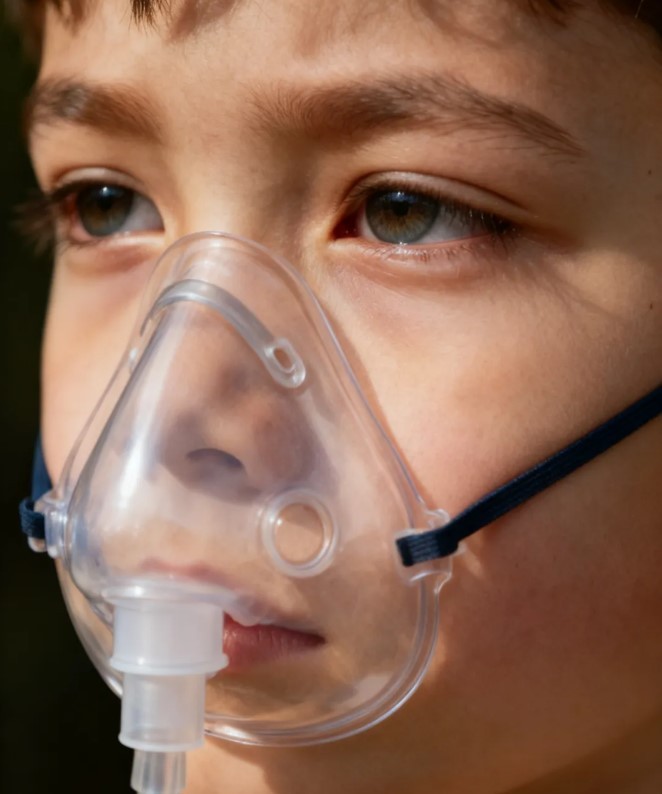
Hyperbaric Oxygen Chamber: The Optimizer of Brain Function
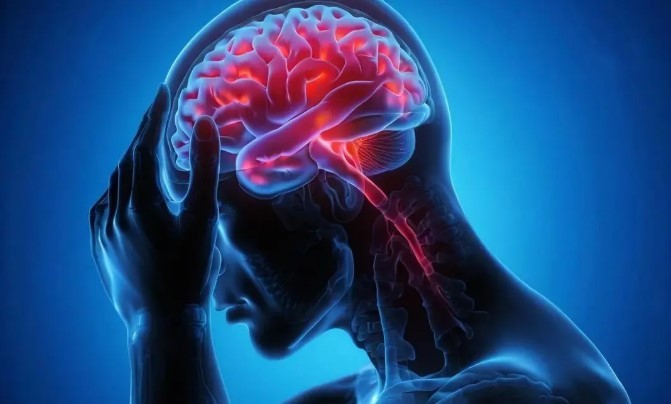
While traditional rehabilitation training is an important cornerstone of autism intervention, it generally takes effect slowly, and many core symptoms remain difficult to improve fundamentally. Hyperbaric oxygen chambers take an innovative approach by optimizing cerebral oxygen supply and activating neuroplasticity, opening a new path for autism improvement and intervention.
Improves Cerebral Tissue Perfusion
Most people with autism have abnormal cerebral blood flow perfusion. Hyperbaric oxygen significantly elevates blood oxygen partial pressure, allowing oxygen to diffuse efficiently into every part of brain tissue, delivering sufficient energy to nerve cells and supporting their normal function.
Promotes Neuroplasticity
Neuroplasticity is the core foundation of the brain’s ability to learn and adapt. Hyperbaric oxygen effectively promotes the expression of brain‑derived neurotrophic factor, strengthens synaptic plasticity, and helps the brain build more efficient and flexible neural connection patterns.
Reduces Neuroinflammation
Hyperbaric oxygen precisely inhibits excessive activation of microglia and lowers inflammatory factor concentrations, creating a stable and orderly internal environment for the brain. By scientifically regulating the release of key inflammatory mediators such as TNF‑α and interleukins, it effectively curbs the occurrence and development of neuroinflammatory responses at the source.
Regulates Neurotransmitter Balance
Hyperbaric oxygen precisely balances key neurotransmitters such as glutamate and GABA, optimizing the excitatory and inhibitory regulatory mechanisms of neural networks. This scientific regulation effectively reduces anxiety, impulsivity, and other behavioral problems in autistic children, helping them improve emotional stability and better adapt to daily situations.
Compared with the many limitations of hospital‑based treatment, home hyperbaric oxygen chambers create a warmer therapeutic environment for autistic children. This intervention model seamlessly integrates professional oxygen therapy into daily family life, making it especially suitable for patients with neurodevelopmental disorders who require long‑term intervention, freeing treatment from being limited to specific locations.
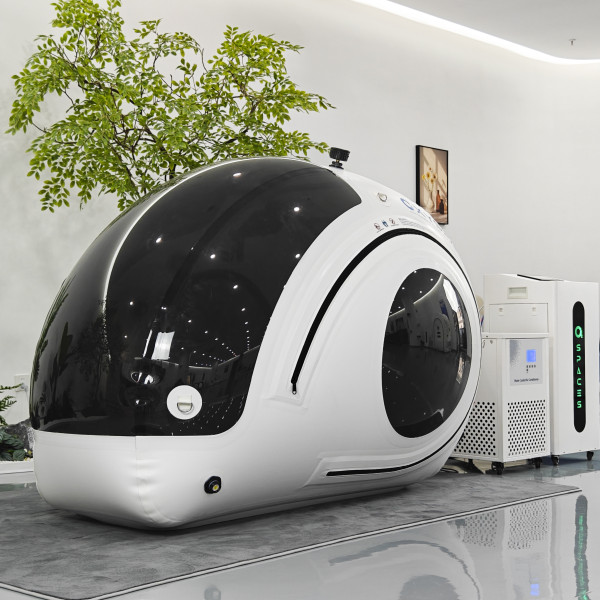
Transparent Hyperbaric Chamber has a magical shape like a space capsule.
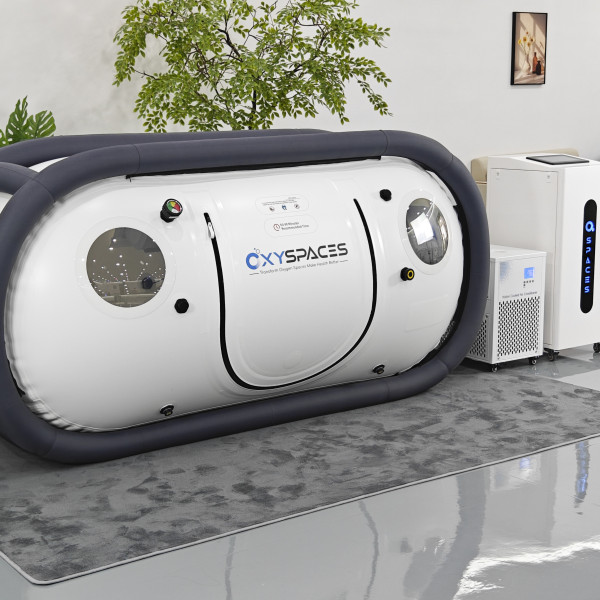
Experience the Quality of OXY SPACES S-190C Hyperbaric Chambers - Flexible Solutions for Global Clients.
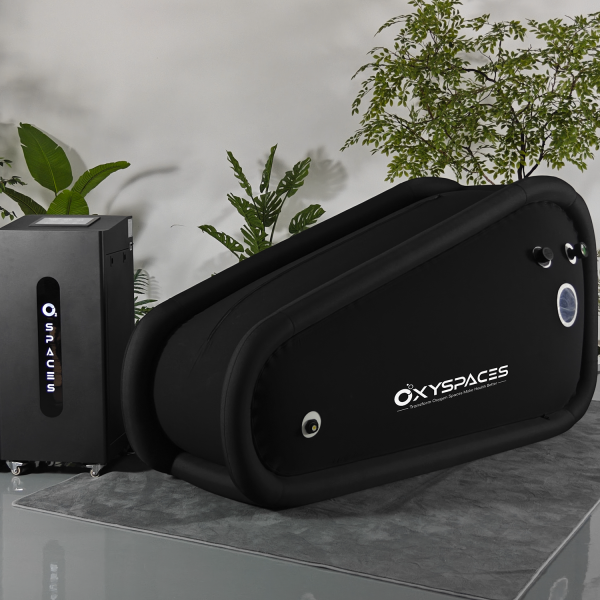
Experience the Quality of OXY SPACES SL-220C Hyperbaric Chambers - Flexible Solutions for Global Clients.
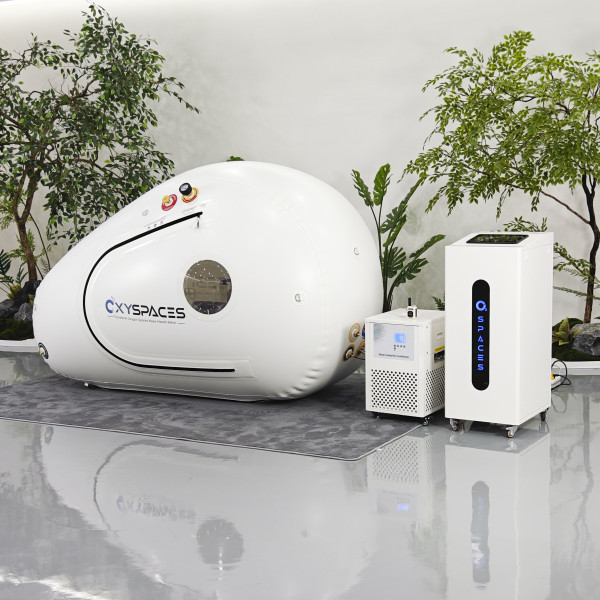
Experience the Quality of OXY SPACES SL240 Hyperbaric Chambers - Flexible Solutions for Global Clients.